Personal Finance Trends Shaping the Economy
Introduction
Personal finance and the broader economy are connected in ways that are easy to overlook in day-to-day life. The choices made by tens of millions of households about how to save, spend, borrow, and invest add up to forces that shape interest rates, housing markets, and consumer demand. When household behavior shifts in any meaningful direction, the ripple effects show up across nearly every economic indicator.
This article examines the personal finance trends having the largest economic effects in 2026 and what they suggest about the years ahead. The aim is to draw a clear line between household decisions and economic outcomes without venturing into political commentary.
The Rise of High-Yield Cash Management
One of the most visible shifts in recent years is how Americans manage cash. The combination of higher interest rates and easy access to online banks moved hundreds of billions of dollars from low-yield checking and savings accounts at traditional banks into high-yield savings, money market funds, and Treasury bills.
This shift has economic implications. Traditional banks have faced funding pressure as deposits move. Money market funds have grown to record levels. The federal government has had ready buyers for short-term debt issuance. Households earning meaningful interest on savings for the first time in years have an additional source of income that affects spending patterns.
Delayed Home Buying
Higher mortgage rates and elevated home prices have pushed many would-be buyers into longer rental periods. The median age of first-time home buyers in the United States has continued to rise. The economic effects show up in lower home turnover, reduced demand for related goods such as furniture and appliances, and continued strength in the rental market.
Builders have responded by emphasizing entry-level and rental properties. Cities and states have explored policies aimed at increasing housing supply. The longer this trend persists, the more it reshapes life-cycle economic patterns, including when households form, when families have children, and when retirement planning gains urgency.
Side Income as a Standard Practice
A growing share of Americans report having income beyond their primary job. Freelance work, online business, content creation, and gig economy participation have moved from the margins to a normal part of household financial planning. For some households, side income is a meaningful portion of total earnings.
Economically, this trend supports labor flexibility, increases consumer spending power for households who pursue it successfully, and shifts how labor markets are measured. Some traditional employment metrics undercount the full picture of how Americans earn a living.
Continued Adoption of Index Investing
Passive investing through index funds and ETFs has continued to capture market share from active management. Trillions of dollars now track major indices through low-cost vehicles. The implications for capital markets are substantial. Corporate governance practices, executive compensation review, and shareholder voting are increasingly influenced by large index fund providers.
For individual investors, the benefit is lower costs and broad diversification. For the economy, the trend has prompted ongoing debate about market efficiency, capital allocation, and concentration of voting power among a handful of asset managers.
Retirement Saving Patterns
Workplace retirement plans continue to evolve. Auto-enrollment, auto-escalation, and target-date funds have become standard at large employers. Participation rates have improved meaningfully as a result. The Saver’s Credit and various employer-match designs have encouraged broader savings adoption.
However, gaps remain. Workers without access to workplace plans, particularly those in small businesses or gig roles, still save at much lower rates. State-sponsored auto-IRA programs in several states aim to close this gap. The success of these programs over the next decade will affect retirement security for millions of Americans.
Subscription Fatigue
Households are reassessing the rapid growth in subscription services that defined the past decade. Streaming, software, food, fitness, and various digital products created an environment where typical households carried dozens of recurring charges. Many of these went unused or undervalued.
The current trend is consolidation. Households cancel and rejoin services rather than maintaining all of them. Bundles have made a comeback. Companies relying on subscription growth face higher churn and more price-sensitive customers. The economic effect is more cautious revenue forecasting in subscription-driven industries and an opening for ad-supported tiers and bundled offerings.
Increased Awareness of Fees
Consumers have become more attentive to fees in financial products. Investment expense ratios, account maintenance fees, payment processing charges, and various add-ons are facing more scrutiny. Apps that highlight these costs have made the information accessible.
The economic response has been competitive pressure on financial providers. Many have lowered or eliminated fees that previously generated substantial revenue. The shift benefits consumers but reshapes financial company business models, particularly at firms that depended on hidden or layered fee structures.
The Slow Drift Away from Cash
Cash usage continues to decline gradually. Digital payments, peer-to-peer transfers, and integration of payment with social platforms have grown. The economic implications include lower transaction friction, easier record keeping for tax purposes, and reduced anonymity for routine spending.
Cash has not disappeared and likely will not anytime soon, but it has become less central to daily commerce. The trend supports financial inclusion in some ways while raising data privacy questions in others.
Buy Now, Pay Later
The buy now, pay later category has matured significantly. After rapid growth, regulatory scrutiny has tightened. Default rates have stabilized as lenders refined underwriting. The category now sits as a legitimate alternative to credit cards for certain purchases, though concerns about overuse remain.
Economically, BNPL affects retail margins, consumer debt levels, and credit reporting practices. Credit bureaus increasingly include BNPL data in scores, which changes how borrowing in this category appears in households’ overall credit pictures.
Financial Literacy Initiatives
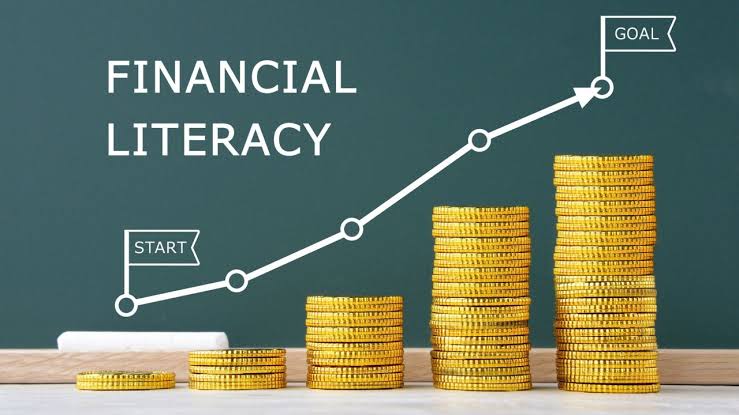
State-level personal finance education requirements in high schools have expanded. More states now require some form of financial literacy course for graduation. The long-term economic effects will become visible over decades as students who completed these courses enter adulthood with stronger baseline knowledge.
Early evidence suggests modest but real benefits, particularly in areas like budgeting and credit management. The trend reflects a recognition that personal finance skills are essential rather than optional.
What These Trends Mean
Taken together, these trends point to a more financially aware, more digitally connected, and more cautious household sector. Americans are saving more deliberately when they can, investing more efficiently, scrutinizing fees more carefully, and increasingly using technology to make better decisions.
The challenges have not disappeared. Wealth inequality, housing affordability, retirement security, and access to credit remain pressing concerns. But the direction of household behavior, on average, is more thoughtful than it was a decade ago.
Conclusion
Personal finance trends do not exist in isolation. They drive consumer behavior, influence corporate strategy, and shape economic indicators. The shifts visible in 2026 reflect lessons learned from recent years, including pandemic-era disruptions and the inflation cycle that followed. Households continue to adapt, financial providers continue to respond, and the economy continues to absorb these changes. Awareness of the broader trends helps individuals make decisions that are not just personally sound but aligned with where the economy is heading.
FAQs
Why does household behavior matter for the economy?
Consumer spending is roughly two-thirds of US economic activity. Shifts in household saving, spending, and borrowing aggregate into significant economic effects.
What is the most important personal finance trend right now?
Higher interest rates have created the largest practical change for many households, affecting both savings yields and borrowing costs.
Are subscription services in decline?
Total subscription spending remains strong, but household behavior has shifted toward cycling through services rather than maintaining all of them simultaneously.
Is index investing a long-term trend?
The shift has been steady for over a decade and shows no signs of reversing. The benefits of low costs and broad diversification continue to attract investor capital.
How can I keep up with personal finance trends?
Reading reputable financial publications, reviewing your own accounts quarterly, and discussing trends with trusted advisors are practical ways to stay informed without being overwhelmed.
Read More:
- The Importance of Financial Literacy Today
- How Economic Trends Affect Everyday Spending
- Financial Planning Tips for First-Time Investors
- Understanding Debt Management Strategies
- Smart Banking Habits for Financial Stability
- How Americans Are Managing Inflation in 2026
- The Basics of Stock Market Investing
- How Interest Rates Affect Consumers and Businesses