How Economic Trends Affect Everyday Spending
Introduction
Economic trends often feel abstract until they show up at the grocery checkout, on the auto loan paperwork, or in the next health insurance bill. The connection between macroeconomic forces and household spending is rarely covered well in everyday news, which tends to focus on either dramatic headlines or technical statistics. The middle ground, where macro changes translate into household decisions, is where most Americans actually live.
This article walks through how economic trends affect everyday spending in concrete ways, and what households can do to adapt. The aim is connection between the broad economic picture and the practical decisions families make each month.
Inflation and Cost of Living
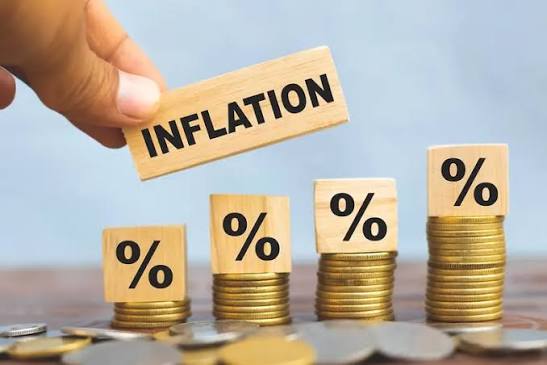
Inflation is the most visible economic force at the household level. Even moderate inflation steadily raises the cost of staples such as food, housing, transportation, and healthcare. Past inflationary periods leave permanent imprints because price increases rarely reverse fully even when inflation slows.
Households respond to inflation through behavior shifts. Trading down to private-label brands, cooking more meals at home, delaying discretionary purchases, and shopping more strategically are all common adaptations. The cumulative effect of these small changes can be substantial. A family that adjusts grocery and dining habits during a high-inflation period often saves 200 to 500 dollars per month without major lifestyle disruption.
Interest Rates
The Federal Reserve’s interest rate decisions filter into household budgets through credit cards, auto loans, mortgages, and savings yields. When rates rise, monthly payments on variable-rate debt increase, often within a billing cycle or two. Mortgage borrowers face higher payments on new purchases or refinances. Savers benefit from higher returns on cash, but only if they move money to higher-yielding accounts.
Households that pay attention to rates can capture meaningful financial gains. Locking in fixed-rate loans before rate increases, moving cash to high-yield accounts during high-rate periods, and refinancing when rates drop materially all produce direct dollar savings.
Employment and Wages
Labor market conditions affect spending power. Strong job markets give workers leverage to ask for raises, switch jobs for higher pay, and find stable employment. Weak labor markets reduce wage growth and increase job insecurity, which leads households to cut discretionary spending and increase precautionary saving.
Industries do not move uniformly. Technology hiring may surge while other sectors contract. Households in sectors facing layoffs adjust spending more cautiously than those in sectors with strong demand. Awareness of conditions in your specific industry helps with decisions about major commitments such as buying a home or taking on debt.
Energy Prices
Gasoline, heating, electricity, and natural gas prices ripple through household budgets directly and indirectly. Direct effects show up in transportation and utility bills. Indirect effects flow through transportation costs embedded in food, retail goods, and services.
Households respond by adjusting driving habits, weatherizing homes, and switching to more efficient appliances when replacement cycles come. Solar adoption, electric vehicles, and home energy upgrades have grown partly in response to volatile energy prices and partly through tax incentives that shift the calculation.
Housing Market Dynamics
Housing is the largest expense category for most households. Trends in home prices, rental rates, and mortgage availability shape major life decisions. High housing costs delay first-time home purchases, push families toward smaller spaces, and prompt geographic moves to lower-cost regions.
The economic effect extends beyond housing itself. Households spending more on housing have less for everything else. Retailers, restaurants, and entertainment venues feel this constraint indirectly. Areas with rapid housing cost increases sometimes see slowing local economies as residents reduce discretionary spending.
Insurance and Healthcare Costs
Health insurance, auto insurance, and home insurance have all seen meaningful price changes in recent years. These costs are partly driven by broader economic forces such as medical inflation, climate-related claims trends, and reinsurance markets.
For households, the response includes annual policy reviews, raising deductibles to lower premiums, bundling coverage where it produces savings, and choosing health plans with attention to total cost of care rather than just premiums. Health Savings Accounts have grown in importance as medical costs have risen, providing a tax-advantaged way to manage healthcare spending.
Consumer Confidence
Consumer confidence measures household optimism about the economy. Confident consumers spend more freely, take on credit, and make major purchases. Anxious consumers delay purchases, build savings, and trade down on discretionary goods.
This confidence dynamic feeds back into the economy. When many households reduce spending simultaneously, businesses see slower revenue, which can lead to layoffs, which further reduces confidence. Conversely, rising confidence drives increased spending that supports business growth.
Technology and Cost Curves
Some economic trends quietly reduce costs. Improvements in solar technology have lowered electricity costs in many regions. Better data analytics has made auto insurance pricing more competitive. Streaming has reduced entertainment costs compared to traditional cable. Households that recognize these cost reductions and adopt the relevant alternatives capture savings that compound over time.
Trade and Currency Movements
The strength of the dollar affects the cost of imported goods. Tariffs and trade policy changes can raise or lower prices on specific categories such as electronics, clothing, and vehicles. These shifts often happen quietly, with consumers noticing only that certain goods cost more or less than they did a year earlier.
Households cannot fully insulate themselves from these forces, but flexibility helps. Buying durable goods during favorable price cycles, delaying purchases when prices are spiking, and substituting between categories all moderate the impact.
Demographic Shifts
Long-term demographic trends affect prices through demand. Aging populations increase demand for healthcare and certain housing types. Shifts in household formation affect rental and home purchase markets. These trends move slowly but produce durable changes in spending patterns over decades.
How Households Can Adapt
Adapting to economic trends does not require predicting them. A few habits work in nearly any environment.
Maintain an emergency fund that protects against income disruption regardless of economic conditions. Diversify income sources where possible to reduce dependence on any single industry. Review fixed expenses annually so price increases do not go unchallenged. Shop major purchases methodically rather than urgently. Maintain investing discipline through both expansions and contractions.
These habits accumulate into financial resilience. Households that maintain them weather economic cycles with less disruption than those that drift along with each shift.
Conclusion
Economic trends affect everyday spending through multiple channels at once. Inflation, interest rates, employment, energy, housing, insurance, and broader cost curves all flow through to household budgets. The connection is real even when news coverage makes it feel distant. Households that pay attention to these forces and adapt their behavior modestly tend to manage their finances more confidently than those who treat the economy as something happening somewhere else. The aim is not to predict every move but to understand the connection well enough to make better decisions when each shift arrives.
FAQs
Why do my expenses go up even when inflation is low?
Past inflation persists in current prices. Even at low rates of new inflation, costs continue rising from elevated bases.
Should I time major purchases based on the economy?
Timing major purchases perfectly is difficult, but flexibility helps. Buying when you have a clear need and prices are reasonable usually works better than waiting for a perfect moment.
How do interest rate changes affect me directly?
Variable-rate debt changes quickly. New mortgages and auto loans reflect current rates. Savings accounts and CDs adjust over time.
What is the best way to handle rising healthcare costs?
Annual policy reviews, HSA contributions where eligible, and attention to total cost of care all help. Comparison shopping for plans during open enrollment is essential.
Can I protect my budget from economic uncertainty?
Full protection is not possible, but emergency funds, diversified income, fixed-rate debt where appropriate, and disciplined investing significantly reduce vulnerability to most economic shifts.
Read More:
- The Importance of Financial Literacy Today
- Financial Planning Tips for First-Time Investors
- Understanding Debt Management Strategies
- Smart Banking Habits for Financial Stability
- Personal Finance Trends Shaping the Economy
- How Americans Are Managing Inflation in 2026
- The Basics of Stock Market Investing
- How Interest Rates Affect Consumers and Businesses
Related Posts
How Economic Trends Affect Everyday Spending