How Interest Rates Affect Consumers and Businesses
Introduction
Interest rates touch nearly every part of the economy. Mortgage payments, credit card balances, auto loans, business borrowing, savings yields, and bond returns all move when rates change. Yet for many consumers and small business owners, the connection between Federal Reserve decisions and their own monthly budgets remains fuzzy. Understanding how rates flow through the economy helps in making practical decisions about borrowing, saving, and investing.
This article walks through how interest rates work in the United States, how the Federal Reserve influences them, and the specific ways changes show up for households and businesses. The aim is clarity rather than commentary on any particular rate cycle.
What Interest Rates Actually Are
An interest rate is the price of borrowing money. The lender charges interest to compensate for the time value of money, the risk that the borrower will not repay, and the opportunity cost of not lending elsewhere. Different rates apply to different products, with mortgages, credit cards, business loans, and Treasury securities all carrying their own structures.
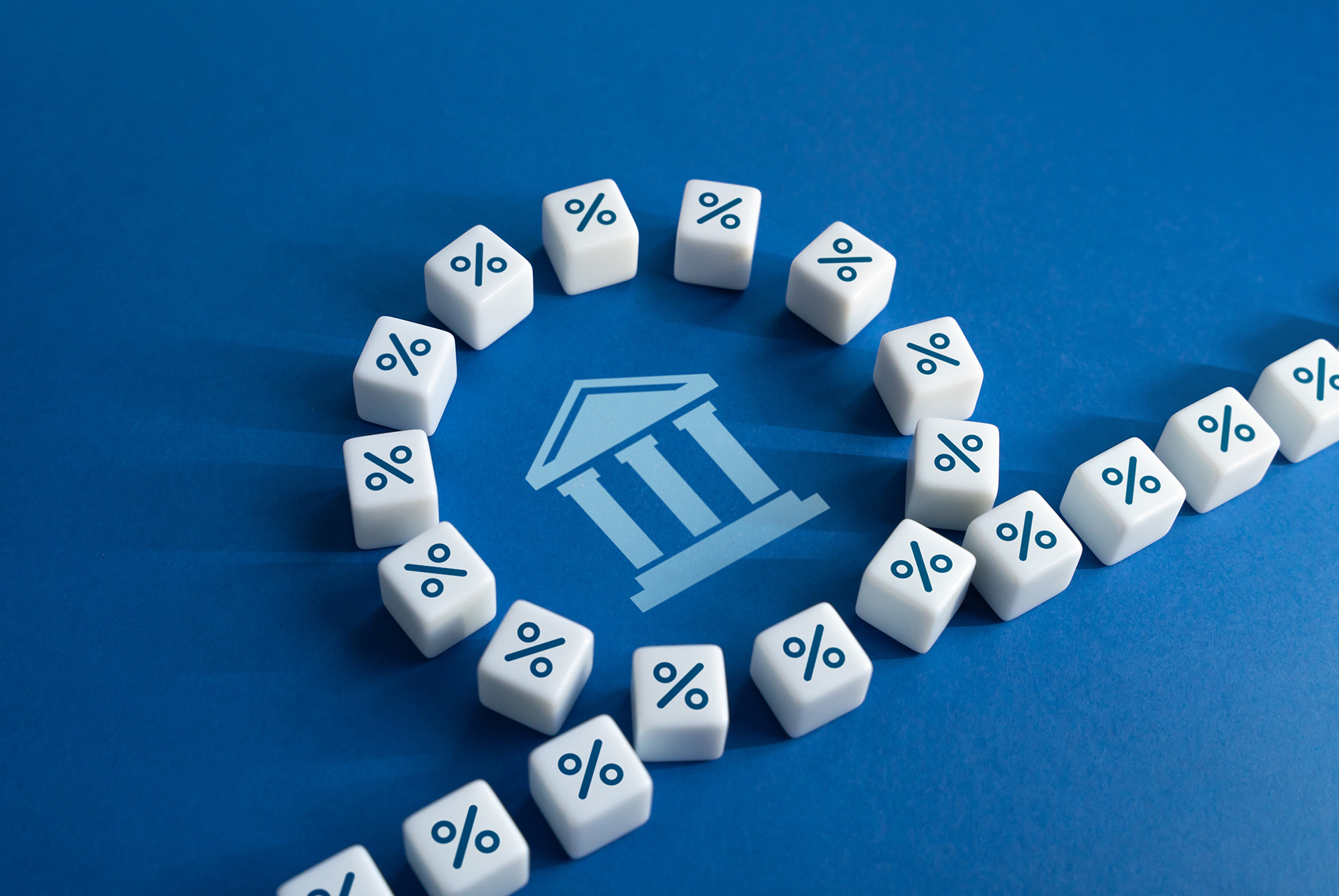
The Federal Reserve does not set most consumer rates directly. It sets a target range for the federal funds rate, which is the rate banks charge each other for overnight loans. That target ripples through the rest of the economy, influencing everything from short-term Treasury yields to credit card APRs.
How the Fed Influences Rates
The Federal Reserve has several tools. The most visible is the federal funds rate target, adjusted at scheduled Federal Open Market Committee meetings. The Fed also influences longer-term rates through bond purchases and sales, often called quantitative easing or quantitative tightening.
Banks and bond markets watch the Fed closely. Even before rate changes occur, expectations about future moves get priced into mortgage rates, corporate bond yields, and other borrowing costs. This is why rates can move significantly on Federal Reserve communications even when no actual rate change has happened.
How Rates Affect Households
Mortgages
Fixed-rate mortgages lock in a rate for the life of the loan. New mortgages reflect prevailing rates, which means a 6 percent mortgage taken in one year may sit alongside a 3 percent mortgage from a different period in the same household. Adjustable-rate mortgages reset periodically, exposing borrowers to changes more directly. The mortgage market is one of the most visible places where Fed policy reaches households.
Credit Cards
Most credit card APRs are variable and tied to the prime rate, which moves closely with the Fed’s target. Rate increases pass through to cardholders quickly, often within one or two billing cycles. For households carrying balances, rising rates increase monthly minimum payments and total interest paid.
Auto Loans
Auto loans are influenced by both the Fed and dealer financing strategies. Rates can vary widely between borrowers depending on credit profile and loan term. Higher prevailing rates push monthly payments up, sometimes prompting borrowers to choose longer loan terms that increase total interest paid.
Savings and CDs
Higher interest rates benefit savers. Online savings accounts and certificates of deposit pay higher yields when the Fed’s target is high. Traditional brick-and-mortar banks often pay much lower rates than online competitors, so consumers willing to move savings to high-yield accounts capture more of the rate environment.
Bond Holdings
Bond prices and rates move inversely. Rising rates reduce the market value of existing bonds, while new bonds issued at higher rates pay better yields. For investors holding bond funds, rising rates create temporary paper losses but eventually higher income.
How Rates Affect Businesses
Borrowing Costs
Businesses borrow to fund expansion, inventory, equipment, and operations. Higher interest rates raise the cost of borrowing, which can delay growth plans, reduce expansion, or make some projects unprofitable. Small businesses, which often borrow at variable rates tied to the prime rate, feel changes most quickly.
Capital Spending
When the cost of capital rises, marginal projects become harder to justify. Businesses may delay investments in new facilities, equipment, or technology. Cumulatively, this can slow economic growth.
Hiring and Wages
Higher rates often slow hiring as businesses become more cautious about adding fixed costs. Wage growth can also moderate. Lower rates have the opposite effect, supporting hiring and wage increases as businesses pursue growth.
Currency Effects
Higher US interest rates relative to other countries tend to strengthen the dollar. A stronger dollar makes US exports more expensive abroad and imports cheaper domestically. Companies with significant international exposure see direct effects on revenue and costs.
Inflation and Interest Rates
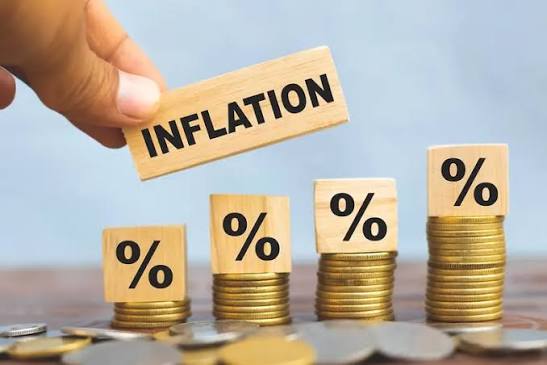
The Fed’s main job is balancing employment and price stability. When inflation is high, the Fed typically raises rates to slow demand. When inflation is below target and unemployment is rising, the Fed typically lowers rates to stimulate activity. This relationship explains why headlines about inflation and Fed policy are so closely linked.
Real interest rates, which subtract inflation from nominal rates, give a clearer picture of borrowing and saving incentives. A 5 percent savings rate during 4 percent inflation provides a 1 percent real return, while the same rate during 2 percent inflation provides 3 percent.
Practical Decisions
For Borrowers
When rates are high, prioritize paying down variable-rate debt such as credit cards. Consider fixed-rate options when refinancing or taking new loans to avoid future rate increases. When rates are low, locking in long-term fixed rates can protect against future increases.
For Savers
High-yield savings accounts and short-term Treasuries become more attractive when rates rise. Locking in CDs or longer-term bonds at high rates can preserve income if rates eventually fall.
For Investors
Rate changes affect different asset classes differently. Bonds tend to lose value temporarily when rates rise. Stocks can react in mixed ways depending on sector and valuation. Diversification across asset classes reduces dependence on any one rate environment.
For Businesses
Maintaining flexibility on debt structures and managing cash flow carefully become especially important when rates change. Long-term planning should account for the possibility of rates moving in either direction over the life of a project.
Reading the Signals
The Fed publishes its decisions, statements, and meeting minutes. Treasury yields, particularly the 10-year, are watched as a barometer of broader economic expectations. The yield curve, comparing short and long-term rates, often signals whether markets expect economic expansion or contraction. None of these are perfect predictors, but together they provide context for personal and business decisions.
Conclusion
Interest rates are not just numbers on news tickers. They shape monthly budgets, business investment, savings yields, and the broader economy. Understanding how the Federal Reserve influences rates and how those changes flow through to consumers and businesses helps in making practical decisions. Over a lifetime of borrowing, saving, and investing, modest awareness of rate dynamics adds up to meaningful financial improvement.
FAQs
How often does the Federal Reserve change interest rates?
The Federal Open Market Committee meets eight times per year. Rate changes can happen at any of these meetings, though many meetings result in no change.
Why do mortgage rates not exactly match the federal funds rate?
Mortgage rates are influenced by long-term Treasury yields and mortgage-backed security prices, which reflect inflation expectations and other factors beyond the federal funds rate.
Are higher interest rates always bad for the economy?
No. Higher rates can slow inflation and encourage saving. The effect depends on the underlying economic conditions and how high rates rise.
Should I refinance my mortgage when rates fall?
Refinancing makes sense when the savings over the time you expect to keep the loan exceed the closing costs. A general rule is that a rate drop of three-quarters of a point or more often justifies refinancing.
How can I take advantage of high savings rates?
Move savings to a high-yield savings account or short-term CDs at online banks. Compare rates regularly because they change with Fed policy.
Read More:
- The Importance of Financial Literacy Today
- How Economic Trends Affect Everyday Spending
- Financial Planning Tips for First-Time Investors
- Understanding Debt Management Strategies
- Smart Banking Habits for Financial Stability
- Personal Finance Trends Shaping the Economy
- How Americans Are Managing Inflation in 2026
- The Basics of Stock Market Investing