Understanding Credit Scores and Financial Health
Introduction
A credit score is one of the most quietly powerful numbers in American financial life. It influences mortgage rates, auto loan terms, insurance premiums in many states, security deposits on apartment leases, and sometimes even job opportunities in finance and government. Despite this importance, the score itself remains poorly understood by many consumers. Myths, outdated advice, and confusion about how the major credit bureaus calculate the number lead to decisions that hurt rather than help.
This article explains what a credit score actually measures, how the dominant scoring models work, and the practical steps that move scores in the right direction. The aim is to replace folklore with a clear picture of how the system functions in 2026.
What a Credit Score Actually Measures
A credit score is a numerical estimate of how likely someone is to repay borrowed money on time. It is not a measure of wealth, income, or financial responsibility in any broader sense. Lenders use it to price risk. A higher score generally translates into lower interest rates because the lender’s expected losses are smaller.
The two dominant scoring models in the United States are FICO and VantageScore. Both produce scores typically ranging from 300 to 850. Different versions exist for different products, and a score generated for an auto loan may differ from one generated for a mortgage even on the same day.
The Five Main Factors
Most score variation comes from five categories. The relative weights vary slightly by model, but the general structure holds.
Payment History
This is the largest factor, generally around 35 percent of a FICO score. Late payments, charge-offs, collections, bankruptcies, and foreclosures all damage scores. A single 30-day-late payment on a credit card can drop a high score by 50 to 100 points and remain on credit reports for seven years, though its impact fades over time.
Amounts Owed
Often called credit utilization, this factor accounts for roughly 30 percent of a FICO score. The most-watched ratio is revolving balances divided by available revolving credit. Keeping this ratio under 30 percent is the conventional guideline. Many people with high scores keep it under 10 percent.
Length of Credit History
Around 15 percent of a FICO score reflects how long credit accounts have been open. Older accounts help. Closing the oldest credit card without good reason can shorten the average age of accounts and reduce scores.
Credit Mix
About 10 percent of a FICO score reflects the variety of credit types in use. A mix of revolving accounts and installment loans, such as a mortgage or auto loan, tends to score better than only one type. This factor is not worth chasing aggressively but is useful to understand.
New Credit
Around 10 percent of a FICO score considers recent applications. Multiple hard inquiries in a short period can drag scores temporarily. Most scoring models treat several inquiries for the same type of loan within a short window, typically 14 to 45 days, as a single inquiry to allow rate shopping.
What Does Not Affect Your Score
Several common assumptions are wrong. Income, savings balances, employment status, marital status, and education do not directly affect a credit score. Checking your own credit report is a soft inquiry and does not lower the score. Carrying a small balance on a credit card month to month is not necessary for a high score, and paying interest provides no scoring benefit.
How to Build or Repair a Score
Always Pay on Time
Setting up automatic minimum payments is the single most powerful action available. Even one missed due date can damage years of careful work.
Keep Utilization Low
Aim for revolving balances well below 30 percent of available credit. Paying balances down before the statement closing date often produces lower reported utilization than waiting until the due date.
Avoid Closing Old Accounts
If a card has no annual fee and you have used it responsibly, leaving it open generally helps the score by preserving account age and total available credit.
Apply for New Credit Sparingly
Each application generates a hard inquiry. Spreading applications out and only applying when needed reduces score impact.
Diversify Slowly
Adding a new account type, such as a small installment loan or a secured card, can help if existing credit is thin. This is not a quick fix and should serve a real financial purpose.
Dispute Errors
Roughly one in five consumers finds errors on their credit reports. Free reports are available from each bureau through annualcreditreport.com. Disputing inaccuracies through the bureau’s online process is straightforward and often raises scores when corrected.
The Connection to Financial Health
A high credit score does not equal financial health, but it usually correlates with the habits that produce it. People who pay bills on time, manage debt sensibly, and avoid unnecessary new credit tend to have stronger financial pictures. The score reflects those habits as a side effect, not a cause.
For households focused on improving their overall financial position, the score will usually take care of itself if the underlying behaviors are right. Direct manipulation of the score, such as opening accounts purely to manipulate utilization ratios, often produces marginal gains and distracts from more important work.
What Lenders See Beyond the Score
The score is a summary, not the full picture. Lenders also review the underlying credit report, which includes account histories, balances, and recent activity. For mortgages and large loans, lenders consider income, debt-to-income ratio, employment stability, and savings. A strong overall application can sometimes overcome a moderately weaker score, especially when the score is being held back by a specific event such as a recent late payment that has since been corrected.
Special Situations
Thin Credit Files
Young adults, recent immigrants, and those returning to the credit system after long absences often have limited credit history. Secured credit cards, credit-builder loans, and authorized user status on a family member’s well-maintained card are common ways to build a file.
After a Major Negative Event
Bankruptcy, foreclosure, or significant collections damage scores significantly. Recovery is possible but takes time. Consistent on-time payments, low utilization, and patience produce gradual improvement. Scores typically recover meaningfully within two to three years if no new negatives occur.
Monitoring Without Obsessing
Free monitoring services from major credit card issuers and third-party apps allow consumers to track scores monthly. Daily checking is unnecessary and can lead to overreaction to small fluctuations. Reviewing the underlying report quarterly, on a schedule, is more useful than watching the score move daily.
Conclusion
A credit score is a useful summary of credit behavior, not a measure of overall financial health. Understanding what affects it, focusing on the small set of behaviors that genuinely matter, and avoiding the myths that distract from real progress put consumers in a strong position. Over time, consistent on-time payments and sensible debt management produce scores that support whatever financial goals come next, from a first apartment to a mortgage to refinancing in retirement.
FAQs
What is a good credit score?
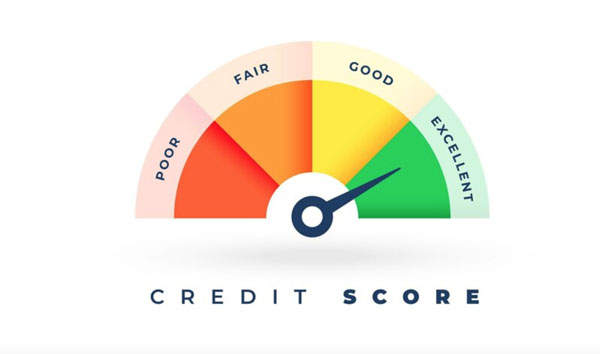
FICO scores above 740 are generally considered very good, and scores above 800 qualify for the best rates on most loans.
How long do negative items stay on a credit report?
Most negative items remain for seven years. Bankruptcies can remain longer. Their impact lessens over time, even before they fall off.
Does checking my own credit hurt my score?
No. Checking your own credit is a soft inquiry and does not affect your score.
Should I use a credit repair company?
Most credit repair services do work that consumers can do themselves for free. Be cautious of companies promising guaranteed score improvements.
How quickly can I improve my credit score?
Lower utilization can produce visible improvement within one to two billing cycles. Recovery from major negatives takes much longer.
Read More:
- The Importance of Financial Literacy Today
- How Economic Trends Affect Everyday Spending
- Financial Planning Tips for First-Time Investors
- Understanding Debt Management Strategies
- Smart Banking Habits for Financial Stability
- Personal Finance Trends Shaping the Economy
- How Americans Are Managing Inflation in 2026
- The Basics of Stock Market Investing